


Find the Best Local Vocational Training for Healthcare Careers

Starting a career in healthcare can feel overwhelming, especially when you want to jump in quickly and confidently. That’s where local vocational training comes in. These programs offer focused, practical education designed to get you job-ready in a short time. If you’re looking to build skills that employers value and enter the healthcare field without delay, finding the right vocational school is key.
I want to share how you can find the best local vocational training that fits your goals. Together, we’ll explore what these programs offer, how to choose the right one, and what to expect along the way. Let’s dive in and make your healthcare career dreams a reality.
Why Choose Local Vocational Training for Healthcare?
Local vocational training programs are designed with your success in mind. They focus on hands-on skills and real-world knowledge that employers need. Unlike traditional college degrees, these programs are shorter and more affordable, making them perfect for those eager to start working quickly.
Here’s why local vocational training stands out:
Fast Track to Employment: Many programs take less than a year to complete.
Practical Skills: You learn exactly what you’ll use on the job.
Affordable Tuition: Lower costs mean less debt.
Supportive Environment: Smaller class sizes and personalized attention.
Local Connections: Schools often have partnerships with nearby healthcare providers for internships and job placement.
Choosing a local program means you can build your network right where you want to work. This connection often leads to better job opportunities after graduation.

What is a Vocational School Program?
A vocational school program is a focused course of study that prepares you for a specific career. In healthcare, these programs cover areas like medical assisting, nursing assistance, phlebotomy, and more. The goal is to equip you with the skills and certifications needed to start working immediately.
These programs usually combine classroom learning with hands-on practice. For example, you might spend part of your time in a lab practicing patient care techniques and the rest learning medical terminology or healthcare laws.
Some key features of vocational school programs include:
Short Duration: Typically 6 months to 1 year.
Certification Preparation: Many programs prepare you for industry-recognized exams.
Hands-On Training: Simulated clinical experiences and real-world practice.
Career Services: Help with resume writing, interview skills, and job placement.
This practical approach means you graduate ready to contribute confidently in healthcare settings.
How to Find the Best Vocational School Near You
Finding the right school can feel like a big task, but breaking it down helps. Here’s a step-by-step guide to help you find the best option:
Search Online: Start with a simple search for a vocational school near me. This will give you a list of local schools offering healthcare programs.
Check Accreditation: Make sure the school is accredited by a recognized agency. Accreditation ensures the program meets quality standards.
Review Program Options: Look for programs that match your career goals, such as Certified Nursing Assistant (CNA) or Medical Billing and Coding.
Visit the Campus: If possible, tour the school to see facilities and meet instructors.
Ask About Job Placement: Find out if the school helps graduates find jobs in healthcare.
Compare Costs and Financial Aid: Understand tuition fees and available scholarships or payment plans.
Read Reviews and Testimonials: Hearing from former students can give you insight into the program’s strengths and weaknesses.
Taking these steps will help you feel confident in your choice and ensure you get the best training for your future.
What to Expect from Your Healthcare Vocational Training
Once you enroll, your experience will be a mix of learning and doing. Expect a curriculum that balances theory with practice. You’ll study topics like anatomy, patient care, infection control, and medical ethics. At the same time, you’ll gain hands-on experience through labs and clinical rotations.
Here’s what a typical program might include:
Classroom Instruction: Lectures, discussions, and exams.
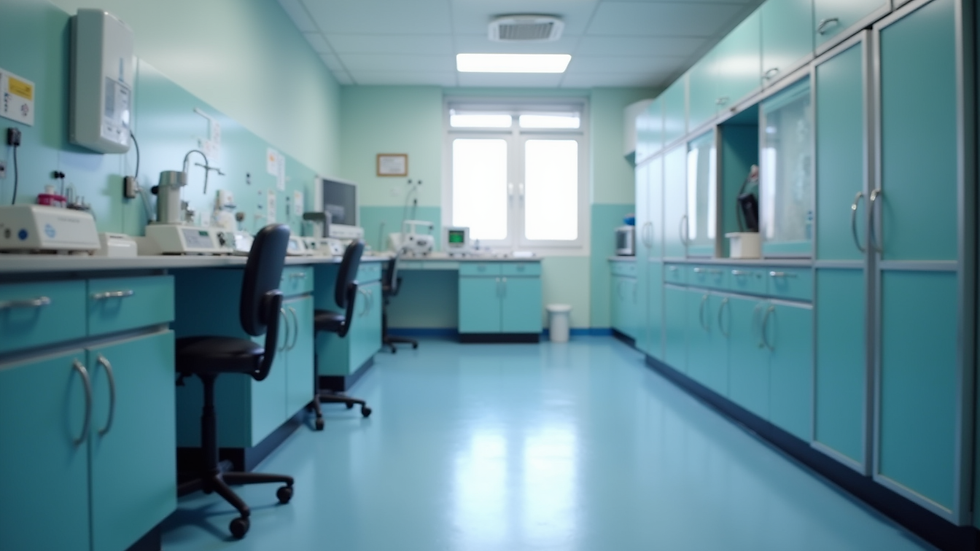
Skills Labs: Practice with medical tools and patient simulations.
Clinical Experience: Real-world training in hospitals, clinics, or nursing homes.
Certification Preparation: Training to pass state or national exams.
Career Support: Resume workshops, interview prep, and job fairs.
The goal is to build your confidence and competence so you can step into a healthcare role ready to succeed.
Taking the Next Step Toward Your Healthcare Career
Finding the right local vocational training is the first step toward a rewarding healthcare career. By choosing a program that fits your needs, you set yourself up for success. Remember, the best programs offer practical skills, strong support, and connections to local employers.
If you’re ready to start, use the tips above to find a vocational school near me and take that first step. Your future in healthcare is waiting, and with the right training, you’ll be ready to make a difference.
Healthy Horizons Institute is here to support you on this journey. Together, we can help you gain the skills and confidence to enter the healthcare workforce quickly and successfully. Your path to a meaningful career starts now.

Comments